
Behind the calm and centered demeanor of the golfer standing over the golf ball is a hidden world that very few people will understand. Collegiate golf requires not just the athletic skill to hit the white golf ball accurately and consistently, but it also demands emotional and mental control. Despite its reputation as a quiet and relaxed sport, female collegiate golfers often experience intense psychological pressure while on the course. This intense pressure can be created by having to balance their academics, athletics, and their own personal needs. Now more than ever, the mental health challenges faced by female athletes demand greater attention. Their struggles deserve to be seen and heard instead of being hidden behind the scenes.
Unlike many team sports, golf is mainly an individual sport. Every shot that the golfer makes shows their preparation, confidence, and mental skill. A poor shot that a golfer hits cannot be saved by their teammates. The final outcome of the score is personal because each result reflects the golfer’s individual performance. According to the National Collegiate Athletic Association (NCAA), approximately 69% of student-athletes report feeling overwhelmed by managing their coursework along with their athletic commitments. In addition, female athletes often experience increased pressure due to scholarship expectations, demanding travel schedules, and the need to maintain academic eligibility while competing.
Research shows that college athletes deal with anxiety and stress just as much as, or even more than, other college students. In 2022, there was an NCAA Student-Athlete Well-Being Study that found that nearly one in three female student-athletes experienced mental exhaustion. Some of these student-athletes have reported that they have difficulty maintaining a healthy sleep schedule during the season. Due to mental fatigue, many athletes start to turn to unhealthy coping mechanisms. Studies have found that female athletes experiencing anxiety or depressive symptoms are more likely to engage in alcohol use as a coping mechanism. Golf can make balancing responsibilities more difficult because the majority of collegiate tournaments last for days. Traveling to events can interfere with the student-athletes’ school performance and health.
Another challenge several female golfers face is navigating perfectionism. Success in golf depends on consistency, patience, and emotional control. Female athletes are under constant pressure to perform at a high level. However, academic responsibilities do not stop because of competitions. Most of the time, athletes finish a full day on the course, but have to return to their hotel rooms to complete assignments past midnight. By traveling to all of the tournaments, the student-athlete begins to burn out and their focus significantly decreases. Sports psychologists emphasize that sustained mental fatigue can impact swing mechanics, decision-making, and confidence. The pressure of perfectionism impacts not only the student-athletes’ golf game and academics, but their personal well-being as well.
Overall, conversations concerning athletes’ mental health are growing. Behind every female athlete in a golf tournament is also a student who is trying to navigate their exams and studies. By sharing this common issue, audiences can gain a deeper appreciation for the unseen resilience that female players go through to compete.
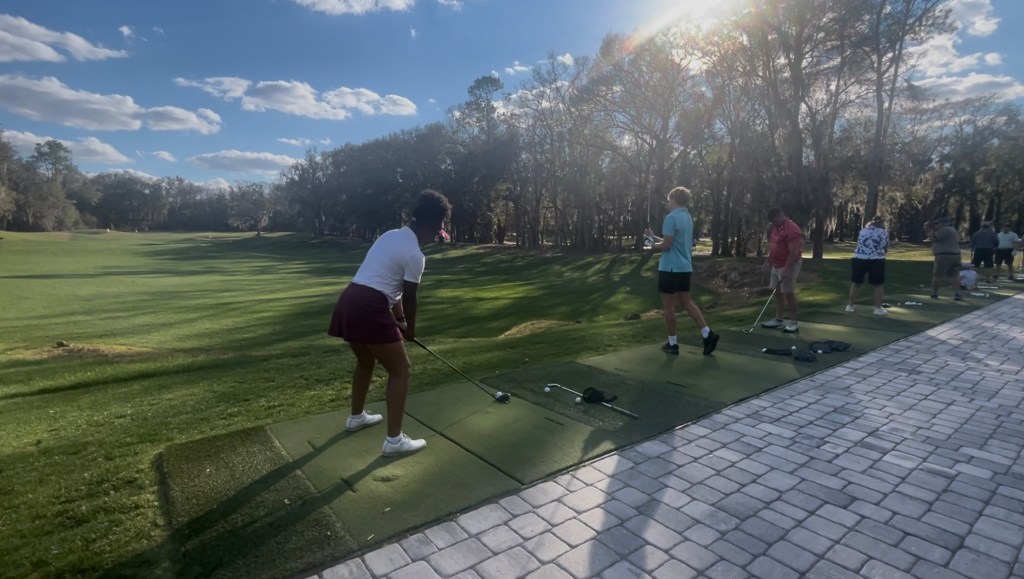
The Quiet Moment Before the Swing
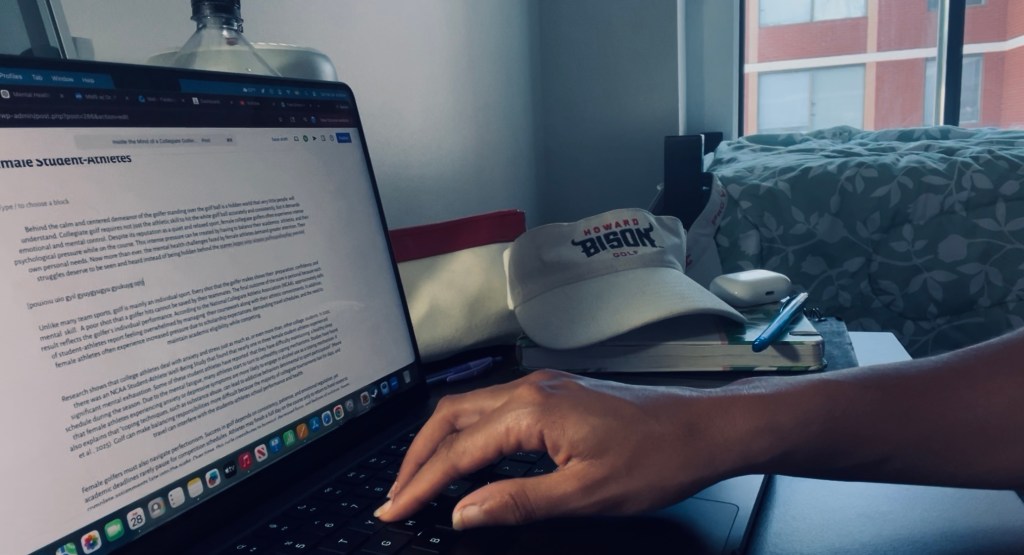
Balancing the Books and the Golf Bag

Travel, Fatigue, and the Unseen Cost of Competition

When the Round Ends but the Work Continues

The Mental Pressure Behind Every Shot
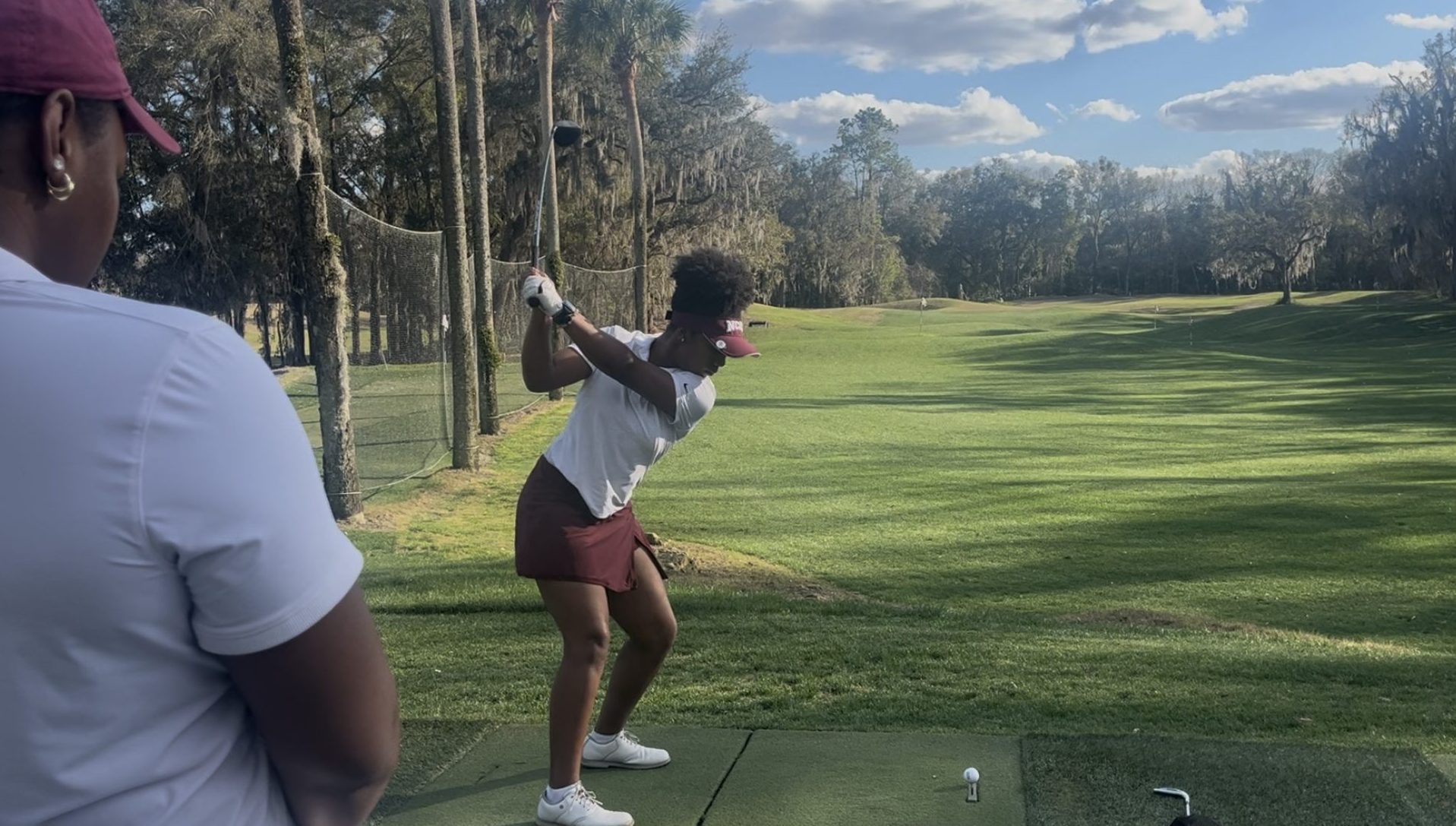
Closing Reflection: Mental Health and the Experience of Female Collegiate Golfers



 Playing with Paris